Wednesday, February 27, 2019

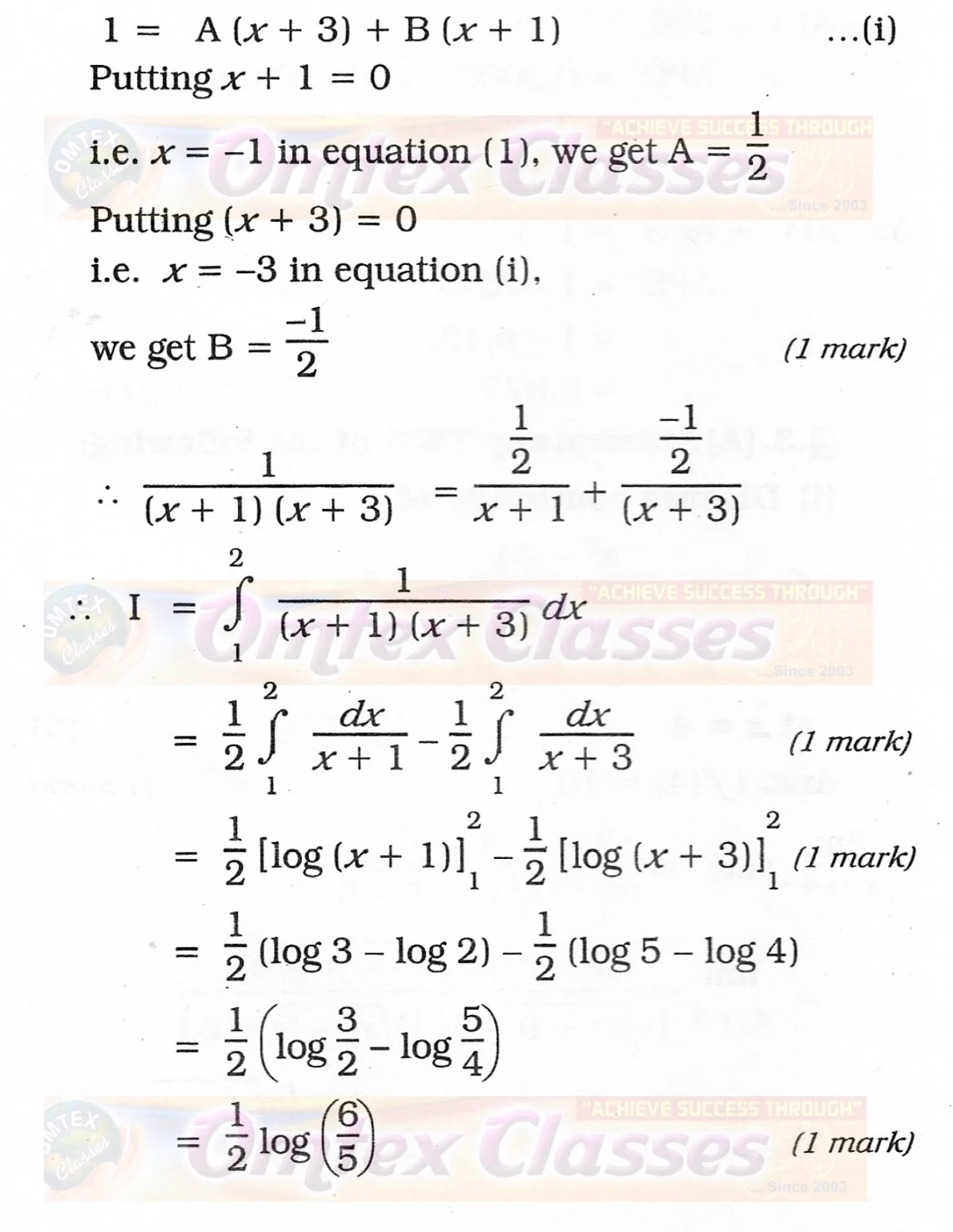
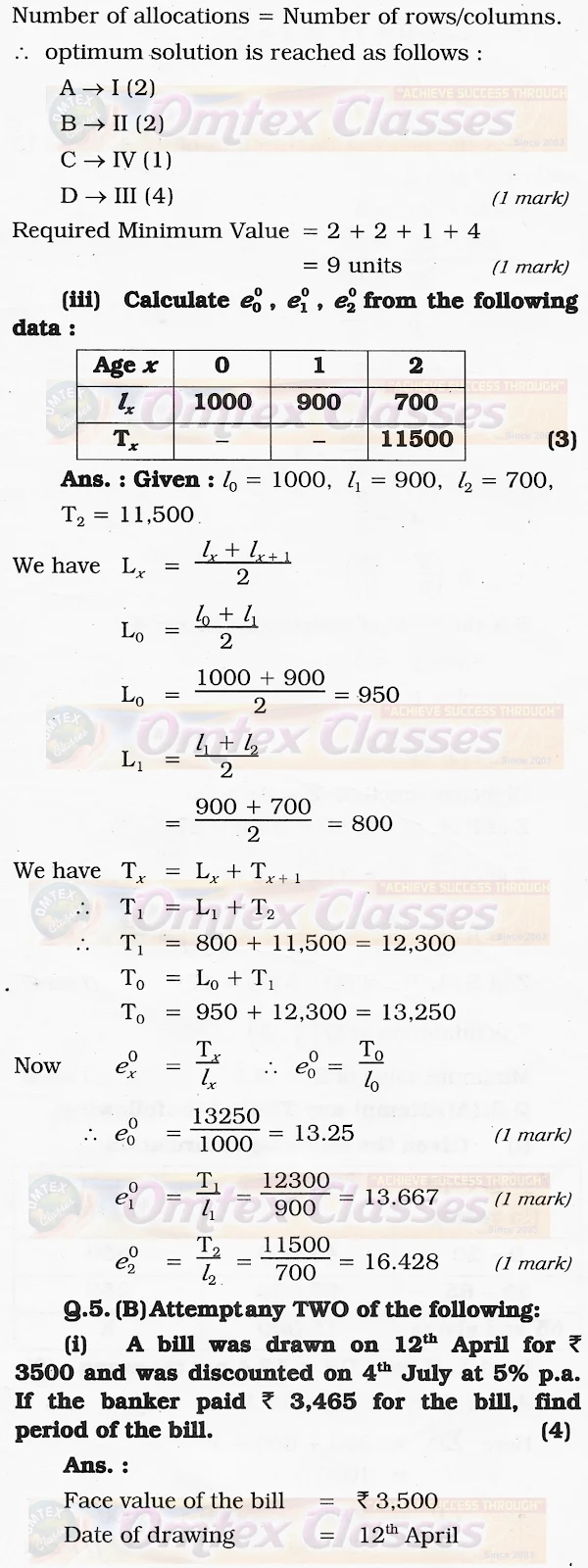
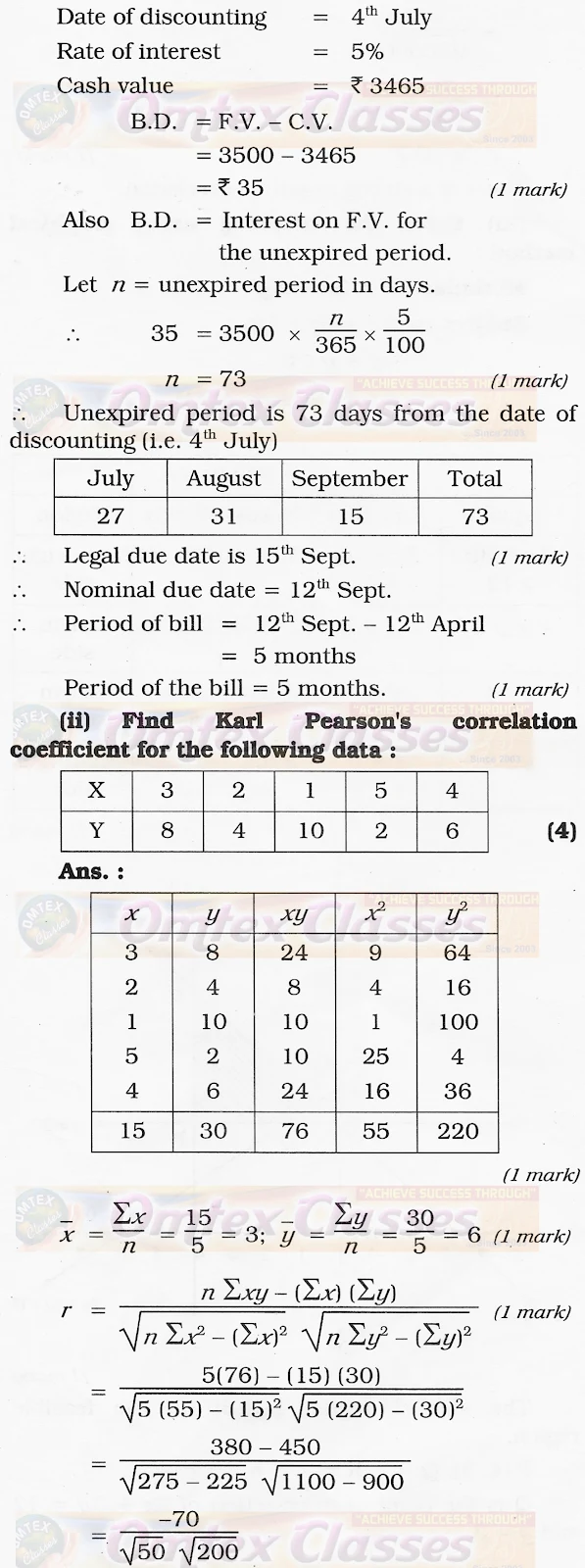
HSC MATHS MARCH 2018 BOARD PAPER COMPLETE SOLUTION.


Features/Nature/Characteristic of Planning:

Meaning:

Planning can be defined as “thinking in advance what is to be done, when it is to be done, how it is to be done and by whom it should be done”. In simple words we can say, planning bridges the gap between where we are standing today and where we want to reach.

Features/Nature/Characteristic of Planning:

1. Planning contributes to Objectives:

Planning starts with the determination of objectives. We cannot think of planning in absence of objective. After setting up of the objectives, planning decides the methods, procedures and steps to be taken for achievement of set objectives. Planners also help and bring changes in the plan if things are not moving in the direction of objectives.
For example, if an organisation has the objective of manufacturing 1500 washing machines and in one month only 80 washing machines are manufactured, then changes are made in the plan to achieve the final objective.

2. Planning is Primary function of management:

Planning is the primary or first function to be performed by every manager. No other function can be executed by the manager without performing planning function because objectives are set up in planning and other functions depend on the objectives only.
For example, in organizing function, managers assign authority and responsibility to the employees and level of authority and responsibility depends upon objectives of the company. Similarly, in staffing the employees are appointed. The number and type of employees again depends on the objectives of the company. So planning always proceeds and remains at no. 1 as compared to other functions.

3. Pervasive:

Planning is required at all levels of the management. It is not a function restricted to top level managers only but planning is done by managers at every level. Formation of major plan and framing of overall policies is the task of top level managers whereas departmental managers form plan for their respective departments. And lower level managers make plans to support the overall objectives and to carry on day to day activities.

4. Planning is futuristic/Forward looking:

Planning always means looking ahead or planning is a futuristic function. Planning is never done for the past. All the managers try to make predictions and assumptions for future and these predictions are made on the basis of past experiences of the manager and with the regular and intelligent scanning of the general environment.

5. Planning is continuous:

Planning is a never ending or continuous process because after making plans also one has to be in touch with the changes in changing environment and in the selection of one best way.
So, after making plans also planners keep making changes in the plans according to the requirement of the company. For example, if the plan is made during the boom period and during its execution there is depression period then planners have to make changes according to the conditions prevailing.

6. Planning involves decision making:

The planning function is needed only when different alternatives are available and we have to select most suitable alternative. We cannot imagine planning in absence of choice because in planning function managers evaluate various alternatives and select the most appropriate. But if there is one alternative available then there is no requirement of planning.
For example, to import the technology if the licence is only with STC (State Trading Co-operation) then companies have no choice but to import the technology through STC only. But if there is 4-5 import agencies included in this task then the planners have to evaluate terms and conditions of all the agencies and select the most suitable from the company’s point of view.

7. Planning is a mental exercise:

It is mental exercise. Planning is a mental process which requires higher thinking that is why it is kept separate from operational activities by Taylor. In planning assumptions and predictions regarding future are made by scanning the environment properly. This activity requires higher level of intelligence. Secondly, in planning various alternatives are evaluated and the most suitable is selected which again requires higher level of intelligence. So, it is right to call planning an intellectual process.

Solution to Distinguish between Staffing and Controlling HSC OCM

DISTINGUISH BETWEEN
Planning
Organizing
Staffing
Directing
Co-ordinating
Controlling
1. Meaning
Planning is deciding in advance what to do, how to do it, when to do it and who is to do it.
Organizing is the process of defining and grouping the activities of the organization.
Staffing is the process of recruitment, selection, development, training, promotion etc.
Directing is a process to instruct, guide, communicate, inspire and motivate employees to achieve organizational objective
Co-ordinating is a process to establish communicate, inspire and motivate employees to achieve organizational objectives.
Controlling measures the deviation of actual performance from the standard performance and takes corrective actions.
2. Objective
The main object is to set goals and choosing the means to achieve these goals.
The main objective is to identify and bring together all the resource.
The main objective is to appoint right type of people at the right positions and at the right time.
The main objective of giving direction to the subordinates is to get the things done in the right manner.
The main objective is ensure unity of efforts of the employees and smooth functioning of the organization.
The main objective is to ensure that the targets must be achieved as per the plans.
3. Area of Function
It includes Setting objectives Identifying alternate course of action Select the best plan
It includes Identification of the activities Grouping of related activities.
It includes Recruitment Training Promotion Transfers, etc.
It includes Guiding Instruction Inspiring Motivating Communicating
It includes Top Level Management Middle Level Management Lower Level Management
It includes Fixation of standards Measurement of actual performance.


Planning
Organizing
Staffing
Directing
Co-ordinating
Controlling
4. Factors
Internal as well as external factors are considered while setting targets
internal and external factors are considered for making arrangement of resources
Staffing is mostly concerned with Internal factors.
Directing is also concerned directly with Internal (human) factors.
It is concerned with Internal factor
It takes care of Internal as well as external factor for taking corrective action
5. Order
It is the starting point of management Other functions depends of Planning
It following planning, resources are organized as per the Planning
Human Resources are needed for the organization so it follows Organizing.
Direction is always needed. It follows organizing and staffing.
It is an important element of organizing It follows Planning.
It follows all other functions. It is an end function of management process.
6. Resources
Planning is done as per the resources required for achieving the targets.
All the resources needed are arranged i.e. men, machine, methods, material and money.
It is related with Human Resources.
It gives direction to the employees and regarding use of other resources.
It is related with Human Resources. It is an integrated effort.
It is related with all the resources as it helps to achieve targets
7. Targets
The targets set are analysed and then selected.
Al the resources are arranged to achieve targets.
It includes proper allocation of human resources to achieve better results.
Proper direction to the employees is needed to achieve the targets.
Internal Co-ordination among employees is must to achieve the desired results.
Actual Performance is compared with standard performance are taken to achieve targets.


Planning
Organizing
Staffing
Directing
Co-ordinating
Controlling
8. Nature
It is continuous in nature. Planning will never come to an end till the organization exists.
It takes place till the time all the resources are collected
It is a continuous process as it deals with human beings.
It is a continuous process as directing is needed till the targets are achieved.
It is a process where only people are concerned so continuity is needed.
It is a process which starts once the actual target is achieved.
9. Levels of Management
To level management is with related planning of activities.
Top level management and middle level managers are related with organizing of resources.
Middle level management are related with recruitment, training, promotion, etc.
Middle level manager provides direction to the employees for achieving targets.
All the level i.e. top to middle to the lower co-ordination is required to achieve targets.
Top level management and middle level managers are responsible for proper controlling of activities.

OCM FEBRUARY 2019 BOARD PAPER SOLUTION HSC XII STANDARD

OCM FEBRUARY 2019 BOARD PAPER SOLUTION HSC XII STANDARD

Q. 1. A. Select the proper option from the probable options given below and rewrite the complete statements:

1. The Karta in Joint Hindu Family Business has ________ liability.

(a) unlimited
(b) limited
(c) joint

(2) Perishable goods are stored in __________

(a) bonded warehouses
(b) duty paid warehouses
(c) cold storage warehouses

(3) The process of contracting a business function to someone else is called as __________

(a) e-business
(b) outsourcing
(c) trading

(4) To maintain safety of investment is responsibility of business organisation towards ________.

(a) community
(b) investors
(c) employees.

(5) According to the principles of _______________ all employees should be given same treatment.

(a) authority
(b) discipline
(c) equity

(B) Match the following words from group 'A' and 'B' (5)

Group 'A'
Group 'B'
(a) Co - operative society
(1) 1986
(b) e- business
(2) Primary function of management
(c) Consumer protection act
(3) Father of modern management
(d) F.W. Taylor
(4) 1956
(e) Planning
(5) Profit objective

(6) Outsourcing

(7) Father of scientific management

(8) Electronic business

(9) End function of management

(10) Service objective

(C) Write only a word or a phrase or a term which can substitute the following statements. (5)

(1) 'One man show' type of business organisation.

Ans. Sole Trading concern.

(2) The principle of insurance under which the insurer and insured must show complete faith towards each other.

Ans. Principle of Utmost Good Faith (Uberrimae Fidei)

(3) Duties, obligations of business organisation directed towards welfare of society.

Ans. Responsibility towards society.

(4) A consumer dispute redressal agency that handles claims upto Rs. 20 lakhs.

Ans. District Forum

(5) A process where managers instruct, guide and communicate with employees.

Ans. Directing function of management.


Q. 2. Distinguish between the following: (Any Three)  [15]


Q. 3. Write short notes on the following. (Any Three)  [15]


Q. 4. State with reasons whether the following statements are True or False. (any Three) [15]


Q. 5. Write short answers of the following. (Any Two) [10]


OR

Featured Post

Complete Guide to HSC Class 12 English Writing Skills (Sets 7-10) with Solutions

ЁЯУе Download Complete Guide PDF Complete Guide to HSC Class 12 English Writing Skills (Question Sets 7-10) Target Audience: Cl...

Popular Posts